Publikationen Christian Hülsebusch
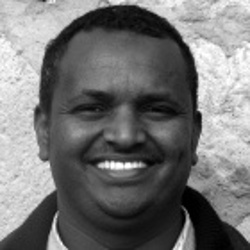
Hassan G. Roba (PhD)
 |
Post Doctoral Fellow (GrassNet programme) Email: This email address is being protected from spambots. You need JavaScript enabled to view it.; This email address is being protected from spambots. You need JavaScript enabled to view it. |
| Training | Hassan Roba studied BSc at the Jomo Kenyatta University of Agriculture and Technology (Kenya) and MSc in Dryland Biodiversity from Addis Ababa University (Ethiopia). He received his PhD in Development Studies from the Norwegian University of Life Sciences (Norway) in 2008. |
| Career | He works at the National Museums of Kenya (NMK) since 1999, currently in the position of Senior Research Scientist. From January July 2009, he participated in a regional research group under the Nile Basin Research Program, at the University of Bergen, in Norway. He has implemented a number of projects in Northern Kenya through NMK and some as a consultant, including studies on pastoral mobility (CORDAID), assessment of potential for natural products in Moyale Districts, (CIFA) and development of a Community Bio-cultural Protocol (Kivulini Heritage Trust). |
| Research | His main research interest is on pastoral land use system, indigenous knowledge and resource management, participatory research, and environmental governance. |
| Current Research Projects | Development of a Bio-cultural protocol for Waso Rangeland with Kivulini Heritage Trust , in collaboration with Natural Justice (South Africa) and Compass (2011-2012- CTF). |
| Teaching | At DITSL, he is involved in writing of collaborative research proposals, co-supervision of MSc and PhD students and teaching under the DAAD-funded GrassNet programme. |
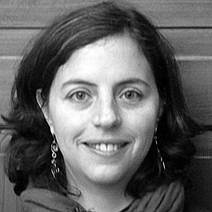
Maria Jose Restrepo Rodriguez (Dr. sc. agr.)
 |
Senior Scientist Email: This email address is being protected from spambots. You need JavaScript enabled to view it. ResearchGate profile |
| Training |
Maria José Restrepo Rodríguez is a Colombian biologist specializing in transdisciplinary research with a focus on sustainability and rural development. She earned her biology degree from the Universidad de Los Andes in Colombia, where she focused on environmental education and collaborated closely with local communities in the Colombian Amazon and Andean Highlands.
She pursued a Master’s degree in Sustainable International Agriculture at the Universities of Kassel and Göttingen in Germany. During this time, she conducted participatory action research with agro-pastoralists in Mozambique, earning the Award for Excellence in the Master’s Thesis.
In 2017, Maria completed her Ph.D. at the University of Hohenheim, Germany. Her research focused on collaborative learning with small-scale dairy producers in Kenya, exploring strategies to reduce post-harvest losses and foster local innovation. Her dissertation was awarded the distinction of Magna cum laude.
|
| Career |
Throughout her career, Maria has been actively involved as a researcher and consultant in transdisciplinary projects that focus on engaging local actors in research and promoting the sustainable use and management of strategic ecosystems in the Global South. She joined DITSL in 2009 through a "work and study grant" from the International Center for Development and Decent Work (ICDD) at the University of Kassel. Since then, she has contributed to DITSL as a research assistant, carried out her Master’s thesis research, and completed her Ph.D., further solidifying her expertise in transdisciplinary research and collaboration.
Maria currently coordinates engagement with the "community committees" in the InfoRange project. These committees serve as platforms for local actors to provide feedback, raise concerns, and contribute insights that inform research activities and decisions, enhancing two-way communication between researchers, technical developers, and societal stakeholders.
|
| Research |
Maria’s research focuses on transdisciplinary and actor-oriented approaches in sustainability and rural development, particularly within agroecological contexts. She investigates tools and methods to empower local actors, co-produce knowledge, foster innovation, and improve livelihoods. Her work integrates participatory action research, collaborative learning, and the use of participatory video and photography.
Maria’s advocacy for participatory photography and video adds a unique dimension to her work. By empowering communities to document their perspectives and foster collaboration, she amplifies their voices in research and development processes, ensuring more inclusive and impactful outcomes.
Her contributions to academic literature include lead and co-authored publications in Q1 journals such as Sustainability Science, Environmental Science & Policy, and Journal of Rural Studies. Her work exemplifies the integration of scientific research with community engagement, promoting sustainable practices and addressing the digital divide in rural and underserved areas.
|
| Experience abroad | Maria has extensive fieldwork experience in diverse ecological and cultural contexts. She has worked in remote regions of Colombia, including the Amazonia and Páramos, as well as in Kenya, Mozambique, and Tanzania. |
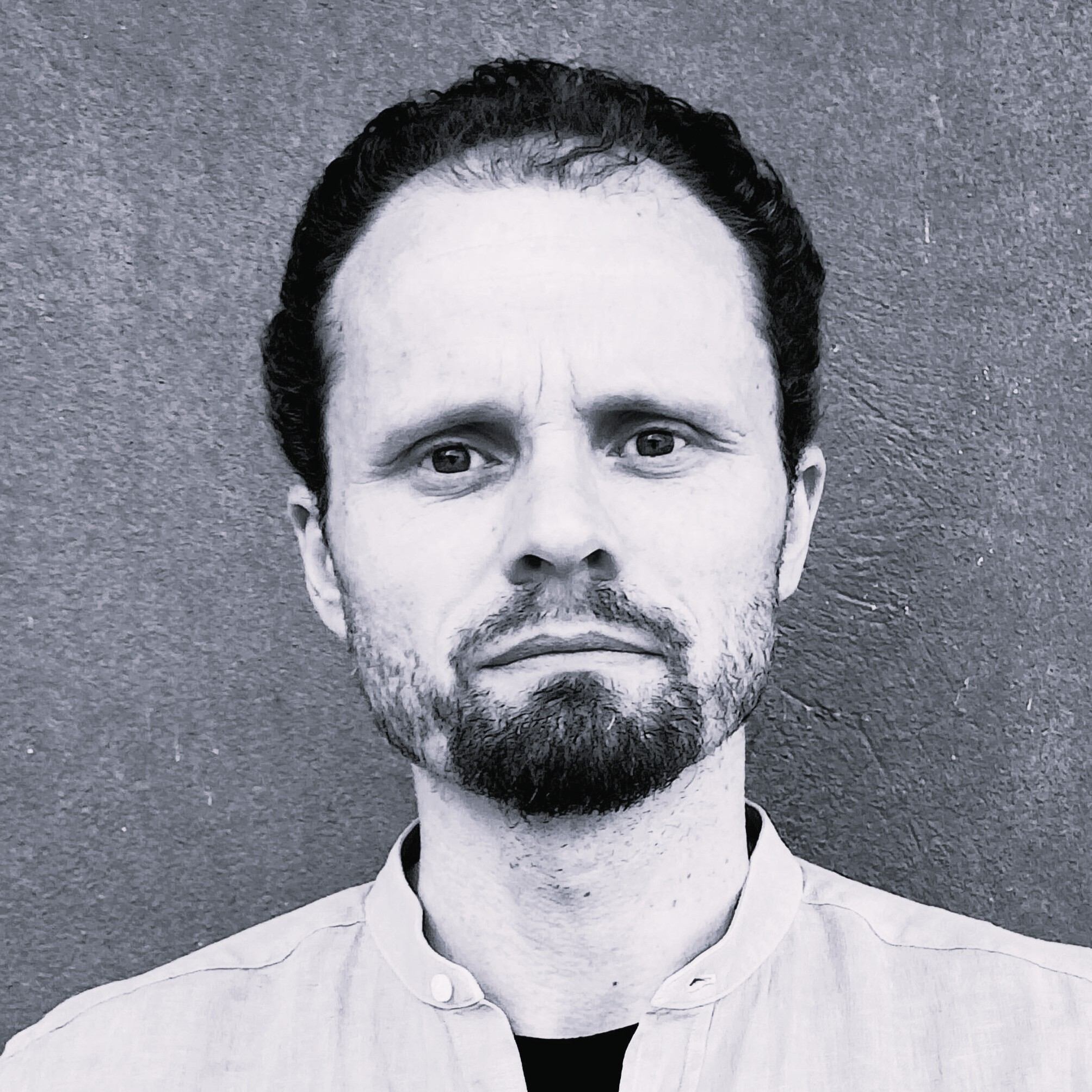
Markus Frank (Dr. sc. agr.)
 |
Associate Research Fellow & Consultant Email: This email address is being protected from spambots. You need JavaScript enabled to view it. |
| Training |
Markus studied organic agricultural sciences at the University of Kassel (B.Sc.) and a double degree master program in sustainable international agriculture at the Universities of Göttingen and Kassel (M.Sc.). He holds a doctoral degree in agricultural sciences from the University of Hohenheim (Dr. sc. agr.). |
| Career |
Prior to his academic career, Markus worked as an intern on certified organic and agroecological farms, and in rural development projects in Germany, Asia, and Latin America. Between 2009 and 2015 he was research assistant and international academic project manager at DITSL. From 2015 to 2019 he was research associate at the Department of Agricultural and Biosystems Engineering of the University of Kassel and coordinated the Volkswagen Foundation’s postdoctoral fellowship program for African researchers. From 2020 to 2023 Markus was grantee of the German Academic Scholarship Foundation and conducted his doctoral research at DITSL. Between 2023 and 2026 he was postdoctoral researcher of the National Scientific and Technical Research Council (CONICET) at the Research Institute for Natural Resources, Agroecology and Rural Development (IRNAD) of the National University of Rio Negro (UNRN) in Argentina. Currently, Markus is adjunct professor of organic farming and certification systems, and transdisciplinary research at UNRN, associated research fellow at IRNAD and DITSL, and idenpendent consultant. As an international research and evaluation expert, he conducts project evaluations, studies, and consultancies for the international scientific research and development cooperation. |
| Research |
Markus’ main research interests are in agri-food innovation systems and transition studies, approaches proposed to understand and facilitate sustainability transformations in agriculture and food practice. Using social-ecological and actor-oriented perspectives, his research contributes to the development of methodological approaches for transdisciplinary research and process facilitation in advisory practice. It provides empirical insights into agroecological innovation, and how practitioners and organisations can strenghten their capacity to develop, implement, and scale new social, economic, and technological practices. |
| Experience abroad |
Markus Frank has long-term experience in Argentina, Bolivia, Chile and India; and short-term experience in Costa Rica, Malawi, Zambia, Kenya, and Spain. |
- You are here:
-
Home

-
English content
- Team & Contact



 NaviNut